
 Top games
2048 Strategy Guide
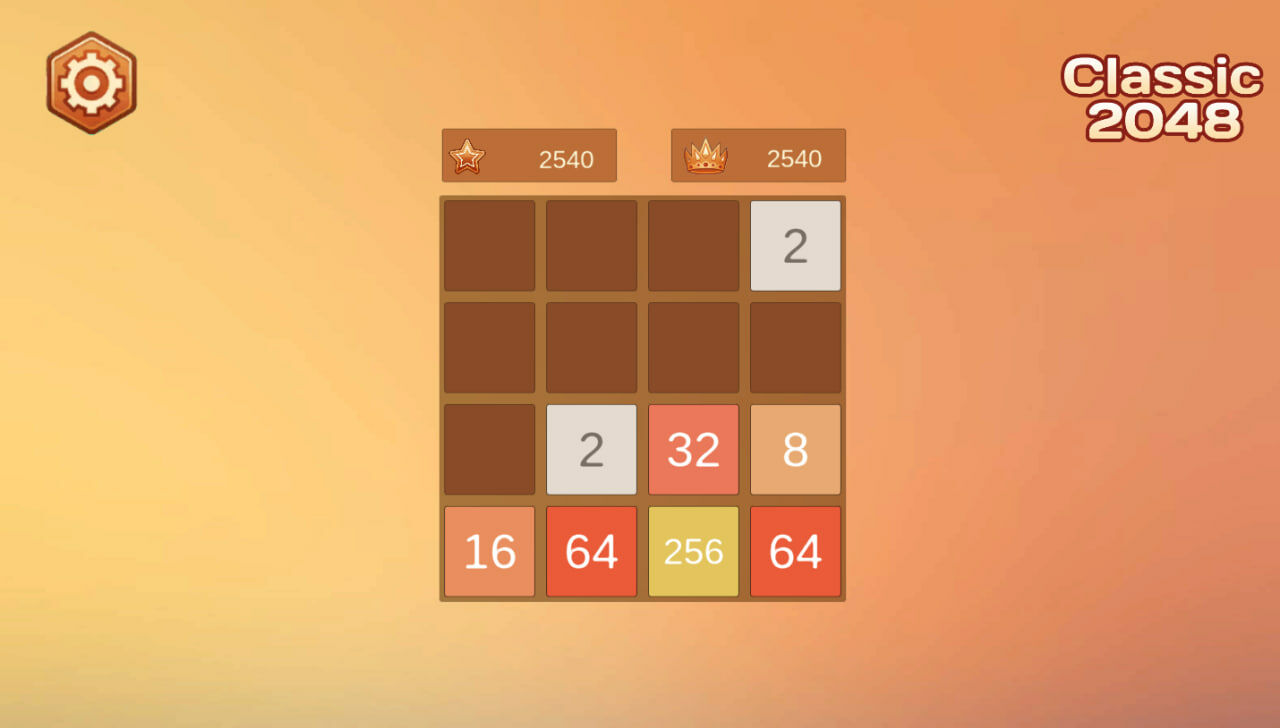

2048, a single-player puzzle video game written by a 19-year-old Italian developer in 2014, quickly climbed the charts in most online stores. Now, more than a decade later, it still ranks high on browser game websites, including Playhop. The game’s creator, Gabriele Cirulli, published the source code for the game on GitHub — by doing so, he sparked a flood of 2048 variations across the gaming market.
But how did such a simple concept conquer the hearts of millions worldwide? And does the game actually end once you match a 2048 tile? Sit back and read how to win at one of the most popular games of all time.
How to Play 2048: Strategy
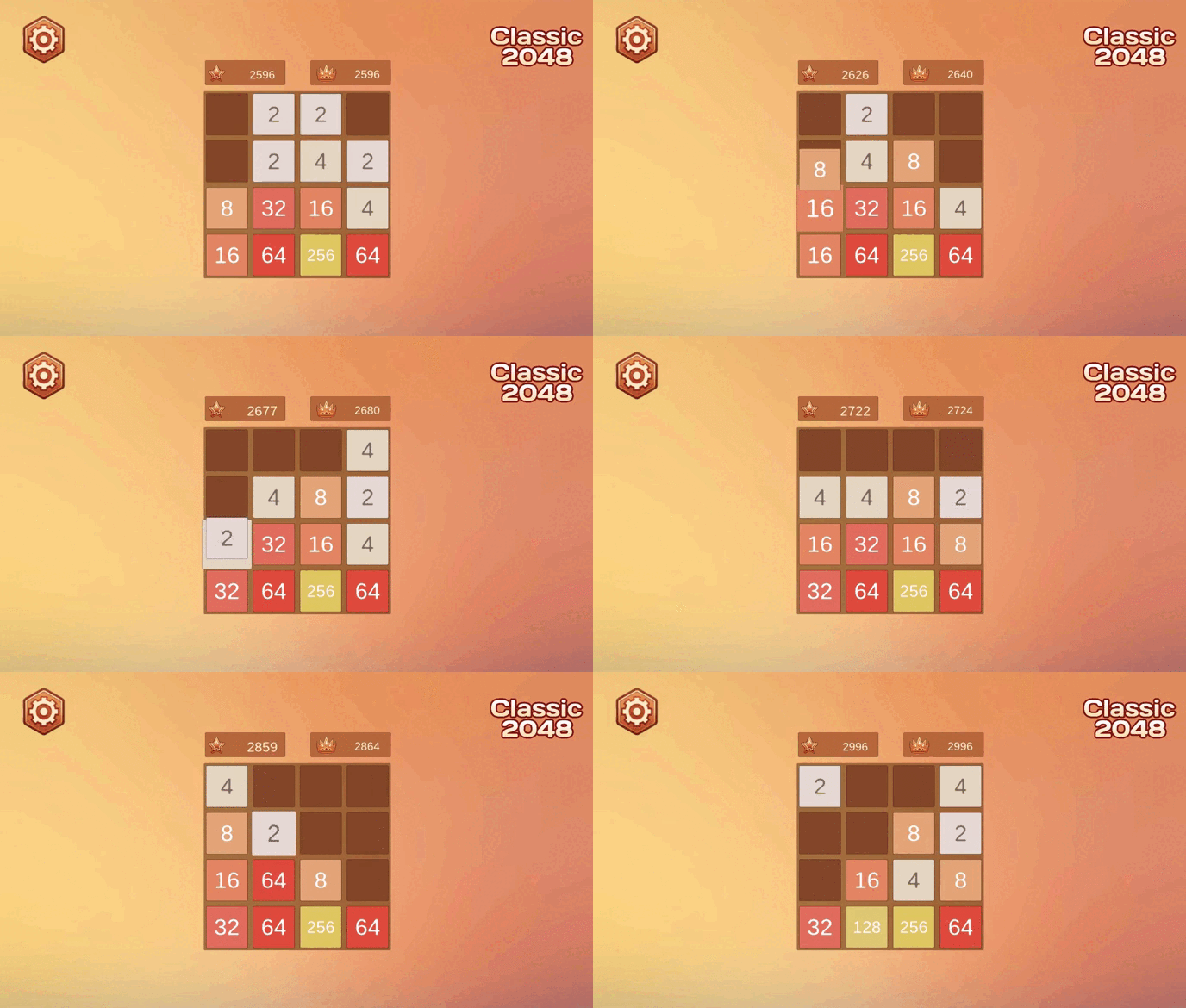

Does the game end once a tile with 2048 is merged? Not at all. You can continue for as long as you like. The current record was set by a player who reached a tile with a value of 840,076.
How to Win 2048
Stick to One Corner
Avoid Random Moves
Keep the Highest Tile in the Corner
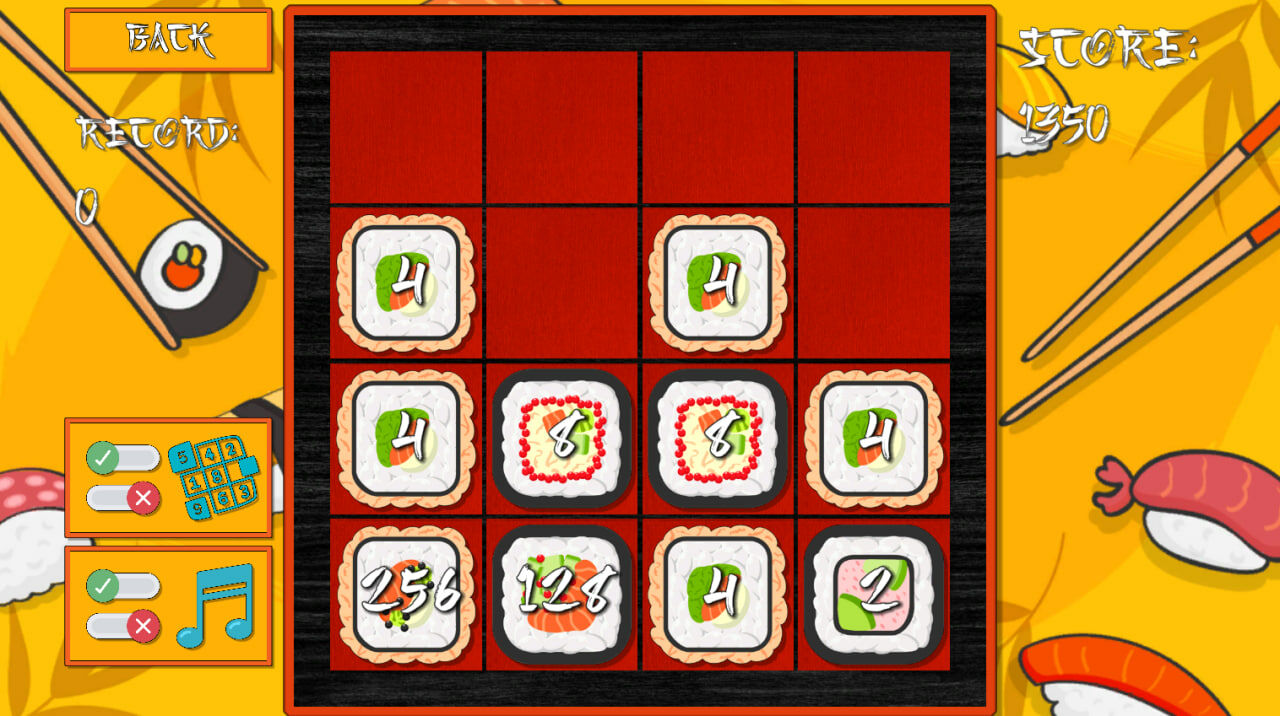

Already familiar with this rule? Then we suggest taking it further by implementing a Snake Chain Formation: a sequence of decreasing-value tiles snaking along the border of the grid, with your top tile locked safely in the corner. This helps you maintain a stable structure while climbing up to tiles like 8,192; 16,384; or even 32,768.
Think Ahead
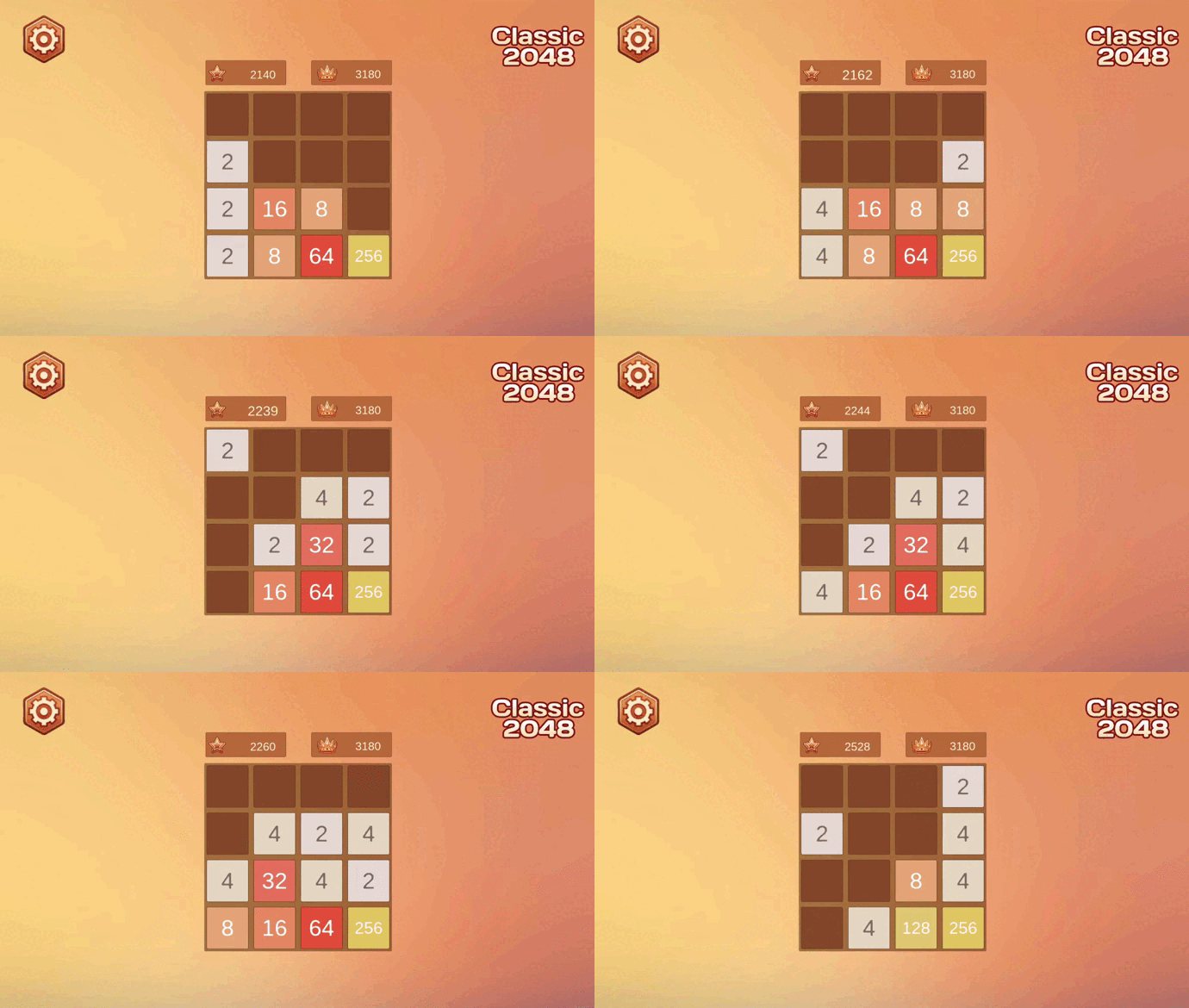
Don’t rush and plan ahead — it’ll make a drastic difference. Try building a zigzag chain around your anchor tile — it’s probably the best 2048 strategy efficient in the long term. Picture a chain of decreasing tiles, such as 512 next to 256, followed by 128 and 64, spiraling out from the corner where your highest tile is locked. This zigzag pattern not only keeps the entire board organized but also intuitively guides tiles into place for smooth mergers.

Move in Two Directions
Keep the Bottom Row Full
The Main Mistakes of Players
Moving Tiles Without a Plan
Letting the Grid Fill Up
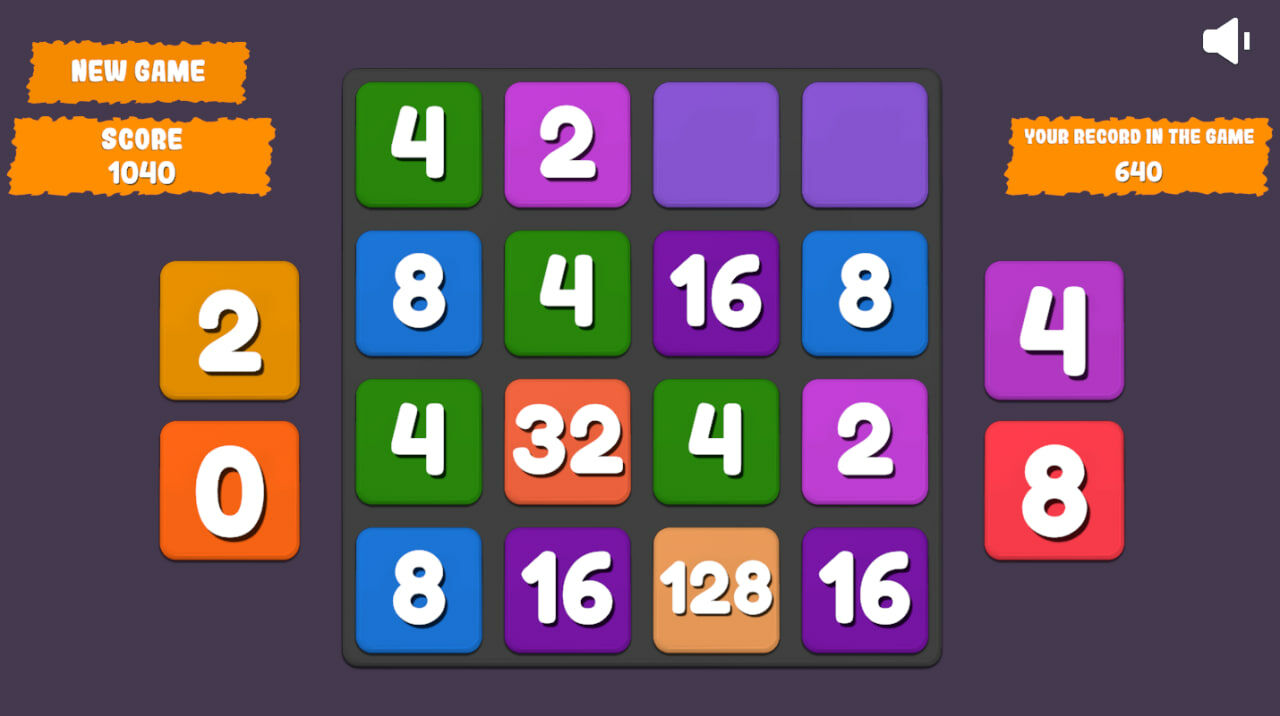

Losing Control of the Highest Tile
Wrapping Up
Learning how to play 2048 is much more fun than learning Chemistry or History. A little bit of practice makes a world difference. Stay organized, combine strategies, clear the board timely, and don’t forget to enjoy the process. After all, it’s just a game.
If you’d like to try different varieties of 2048 presented on Playhop, you can pick something from this list:
Tags