
 Top games
Knights & Brides: How to Get Energy and Avoid Progress Walls


In Knights & Brides, energy decides how far a session goes. You clear a few objects, start pushing a quest, and then the energy bar is empty before anything important gets done. That is how a slow session turns into a progress wall.
The trap is simple: you spend energy faster than the game gives it back, then waste even more by using boosts at the wrong time. After a few messy sessions, every quest starts to feel slower than it should. This usually comes down to timing. Players burn boosts too early and miss out on the easiest free energy sources.
If you are new, start with the official game page, then come back to this guide. It covers the safest energy sources first, then shows you how to spend each burst more efficiently so progress keeps moving.
Energy 101: What It Is and Why You Run Out
The first problem is usually timing, not scarcity. The game restores energy over time through passive regeneration, but that only helps when you stay below the cap. If your bar sits full for too long, the timer keeps running and your energy refill is effectively wasted.
That is why Knights & Brides energy often feels tighter than it really is. The system works, but only when you leave room for it. Treat energy like a budget. A full bar feels safe, but an overcapped bar wastes time.
How to Get Energy in Knights & Brides
Let Passive Recovery Work
Check in, spend a little, and leave room under the cap. If you only open the game after the bar is already full, part of that passive energy refill is wasted. Logging in regularly lets you get the full value from free recovery. It is simple advice, but it is still one of the best tips in the game.
Craft Boosts in the Workshop
Craft energy drinks whenever you can and save them for medium pushes. Keep an energy elixir in reserve for a longer quest chain or a tougher bottleneck. The rhythm is simple: craft, store, then spend with intent. That way, both feel useful instead of wasted.
Be Selective on Expeditions

Visit Neighbors Regularly
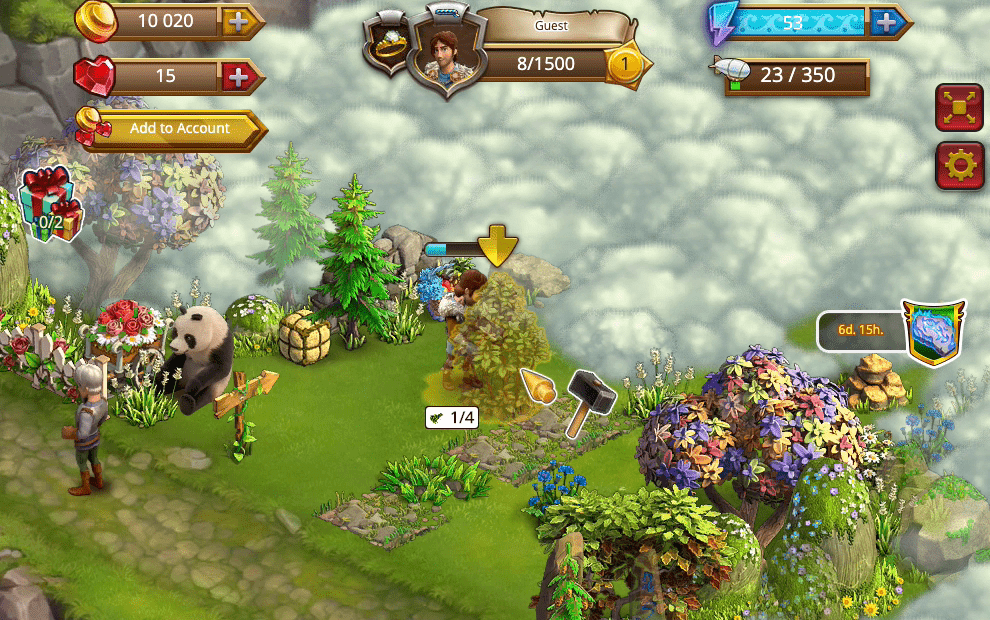
When you inspect neighbors, take a quick look at the decorations too. Those small returns fit neatly into short sessions and add up over time. You do not need to make a huge round every day. Just check a few and move on.
Do Camp or Estate Cleanup Tasks
Neither task is exciting, but both help you keep progress moving. They are easy to postpone, which is exactly why many players fall behind on them. A little cleanup now is cheaper than a stall later.
Grab Achievement Rewards
The rewards tied to them work best when you claim them with purpose. When you’re one step from a quest goal, that extra energy can keep the session moving. Claimed at random, it disappears quickly. Claimed at the right time, it can be the difference between progress and getting stuck. Think of them as emergency fuel, not something to claim on autopilot.
Energy Items: When to Use Them


Some boosts can also give overflow energy, which means they may take you above the normal limit of the bar. That makes timing even more important. Use a bigger boost when you are just under your regular limit, so you get the most value from the overflow. Save boosts for real walls. Don’t spend energy on chores.
Why Progress Walls Happen
Players spend too much on side clutter. They waste passive recovery by sitting at full energy for too long. They start a crafting chain without enough materials ready. They neglect their stockpile until one missing part blocks everything. They over-clear expeditions without thinking about value.
That is usually why a player feels blocked. It is rarely one bad move. It is a pattern of small inefficiencies that builds up until progress stalls. You burn EP in the wrong places, then the next session starts weaker than it should. A few bad sessions in a row are usually what create the wall.
When that happens, check your bottleneck resources, pick the quest that matters most, and cut everything that does not help with that goal.
The Best Strategy for Spending Energy
The most effective approach is simple: prioritize quests that unlock something useful, whether that is a new recipe, a new chain, or the next stretch of progress.
After that, protect your stockpile. A lot of wasted time comes from stopping because one material is missing. The same logic applies to the queue. It works much better when you already have enough resources for batch crafting.
It also helps to group related actions. If a production chain has several linked steps, try to complete them in a single focused run. That is when boosts make sense.
Finally, cut low ROI actions. Not every object on the map deserves your EP. If it does not help a quest, a route, or future value, leave it for later. Good pacing matters more than constant tapping. A calm daily routine built around a few short sessions usually works better than one long binge. If you want more games with a similar theme after that, the Knights games tag is a good place to browse.
Daily Routine Checklist for 10 Minutes
A simple loop is enough to keep your economy stable:
- Check the energy bar and make sure you are not sitting at the energy cap.
- Pick one quest goal for the session.
- Collect or start crafting tasks.
- Visit neighbors if it is time for a quick round.
- Do one cleanup task on your main area.
- Clear a useful path on an expedition and bring bundles home.
- Claim rewards only if they help right now.
- Log out before the session turns into random tapping.
That is enough for a solid daily routine. It keeps recovery working, supports steady progress, and reduces the risk of wasting energy on whatever happens to be closest on-screen. It makes your next session feel cleaner instead of chaotic.
You can also find it in this curated Playhop category alongside other popular picks.
Mistakes That Drain Energy Fast
A few mistakes show up again and again:
- Letting the bar stay full for too long.
- Spending EP on random clutter with no quest goal.
- Using boosts too early.
- Ignoring materials until a recipe blocks progress.
- Skipping neighbor visits.
- Clearing entire expeditions with no plan.
- Trying to do too many things in one session.
The fixes are simple. Leave room under the cap. Pick one clear goal. Use boosts with intent. Stop treating every object like an urgent task. Messy sessions get expensive fast. Bad habits cost more than they look. A little discipline is cheaper than another wasted session.
Vizor Apps LTD makes the game, and it still fits comfortably among those easy-to-start free games that somehow eat your whole evening.
Final Thoughts

Tags