
 Top games
Solitaire Strategy Guide

Solitaire, also known as Patience, is a card game that dates back to the 18th century. However, its present digital form was acquired only during the early Windows era. Back then, white-collar workers — and later, schoolkids — spent hours laying out cards on their screens. Now, with millions of striking games available, people still keep coming back to solitaire. In this guide, we’ll break down strategies to help you elevate your gaming experience, debunk a few myths, and share valuable tips on how to win solitaire’s toughest levels.
How to Play Solitaire

Building an Effective Strategy
Learn the Rules
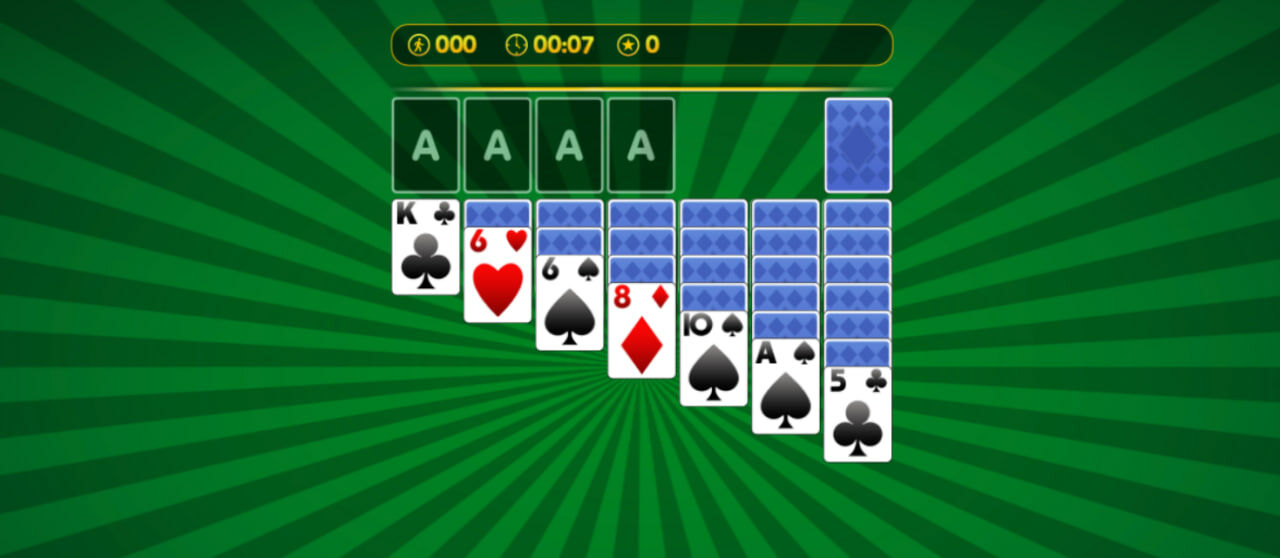
Solitaire uses a 52-card deck split into tableau, foundation, stock, and waste piles. In the tableau, cards must be arranged in descending order while alternating red and black colors. Foundations begin with Aces, which are followed by Twos and continue upward by suit. Here’s a quick breakdown of the board layout and what you’re dealing with:
- Tableau. This is your working area — the seven columns where you’ll be moving cards around, alternating colors and descending in value.
- Foundation. These are the four suit-specific piles at the top of the board, where you’ll stack cards in ascending order — from Ace through King.
- Stockpile. The face-down deck you draw new cards from.
- Waste pile. The discard area where cards from the stockpile go, waiting for their second chance.

Analyzing Cards
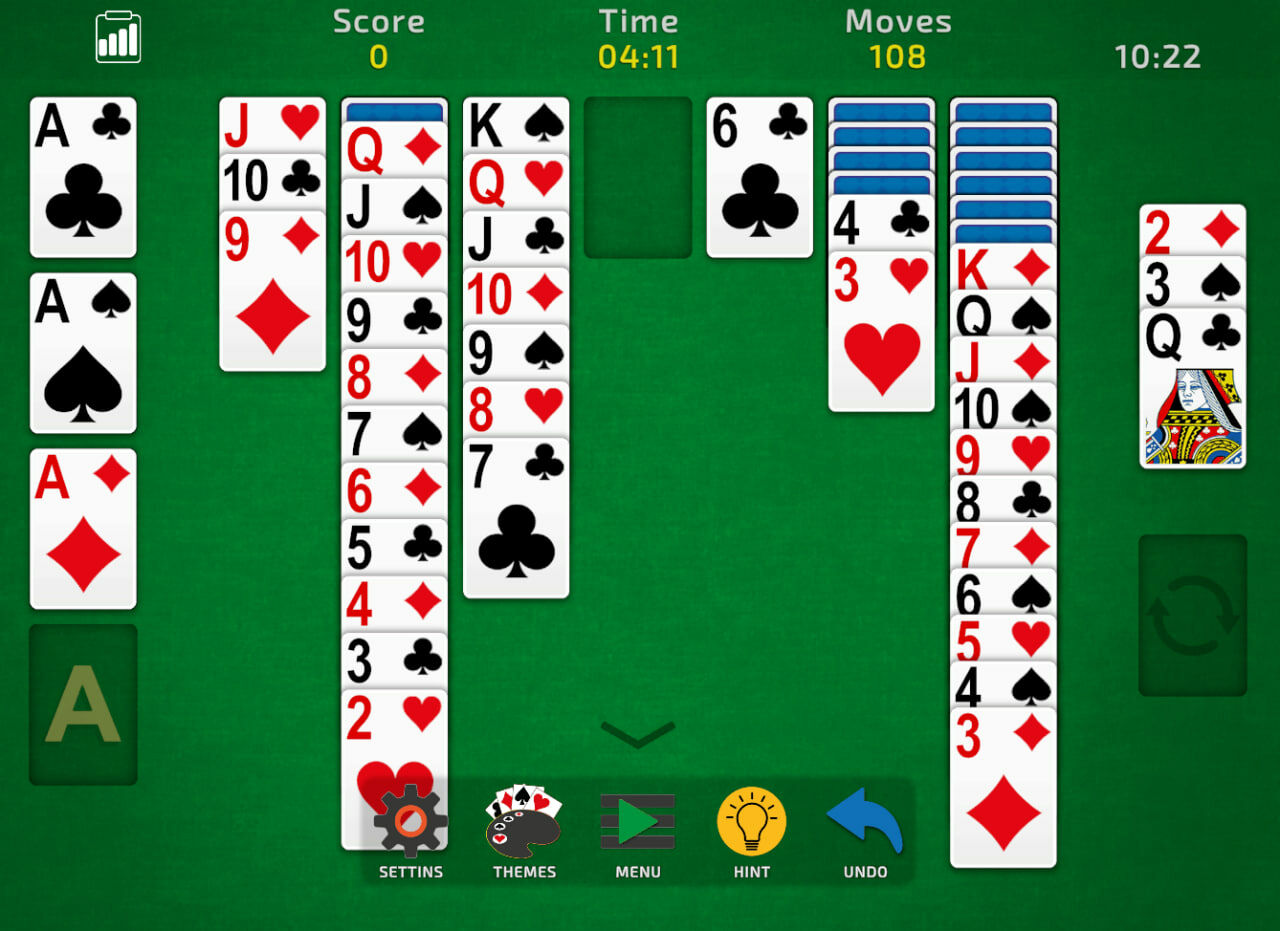
Once you’ve got the basics, you’ll want to know how to move. Some players open with flipping over a card from the stockpile. Others prefer placing any visible Aces and Twos on the foundation right away. Neither move is wrong — but picking a style early helps you stay focused and avoid second-guessing.
Pro tip: Prioritize moves that flip over face-down cards — especially those hidden deep in longer tableau columns. This will open new possibilities — for example, uncovering a long stack or moving a useful card from the stock. Over time, you’ll build a rhythm that works best for your play style.


Planning Ahead
Top Solitaire Strategy Tips
Here are some battle-tested tactics to help you master the game:
- Expose face-down cards early. Always prioritize moves that reveal hidden cards in the table.
- Build evenly across columns. Don’t stack 10 or more cards in one column. Spread your moves to keep your options flexible.
- Use the stockpile wisely. If you’re playing with a draw-three stock, remember the card order.
- Play aces and twos immediately. Move aces and twos to the foundation piles as soon as they appear — they almost never help in the tableau.
- Don’t empty columns without a King. Only clear a column if you have a King ready to move into that space.
- Use the Undo button when available. If you’re just starting out, playing solitaire with hints enabled can help you understand patterns and avoid mistakes.
- Be cautious about moving cards to foundations. Don’t rush to build the foundation if the card might be more useful in the tableau.
With these solitaire tips in mind, you’ll spot better moves, and avoid falling into common traps. Patience wins the game — literally.

Common Mistakes to Avoid
You’ve learned the solitaire strategies — now it’s time to talk about what not to do. Even seasoned players slip up when they get too comfortable, and beginners? They often stumble into the same traps. Let’s review some of the most common mistakes in solitaire and how to dodge them.
- Rushing the first move. Examine the tableau, flip the top stock card, and take some time to consider your options. That first move can shape the rest of the game — take it seriously.
- Leaving empty columns without a King. A blank space between columns is useless without a King. Avoid clearing space unless you have one ready.
- Focusing only on face-up cards. It’s tempting to shuffle the visible cards around for quick progress, but flipping hidden cards is where real opportunities lie.
- Building uneven foundation piles. Moving cards to the foundation too early or unevenly can block important moves. Try to build all suits more or less evenly, and don’t be afraid to hold back if a card might be more useful elsewhere.

Solitaire Myths Debunked
| Myth #2: |
|
|---|---|---|
False. If you know when to hold back a move or when to flip a card from the stockpile from experience — the win is close. | Nope. Moving cards blindly can block future plays. For example, moving a low-value card to the foundation too early can kill your flexibility in the tableau. | Not if you practice. Many games are possible to win, especially online, where the odds are often in your favor than with a physical deck. |
Why Practice Makes Perfect
Learning from Mistakes
Improving Each Game


Final Thoughts
So let’s wrap it up. Solitaire might seem easy at first glance — arrange cards in a specific order, and if you fail, start all over again. But as we’ve learned, there are some rules and hidden tricks you need to keep in mind. Understanding how the tableau, foundations, and stockpile work — and why certain moves matter — makes a world of difference. Once you’ve got the basics down, the game shifts from mindless dragging to a mindful solitaire strategy.
If you’d like to try different varieties of solitaire presented on Playhop, you can pick something from this list:
- Solitaire Klondike: Draw 1 or 3 cards
- Alternation Solitaire
- Scorpion Solitaire
- Hearts HD
- Solitaire Klondike — Deluxe
Tags