
 Top games
Quick Start Guide for Klondike: The Lost Expedition


Klondike: The Lost Expedition is easy to jump into, but it gets messy fast. New tasks keep appearing, the map tempts you to clear just one more obstacle, and the bar is never quite full enough. But this Klondike getting started guide gives you a clean first-hour plan. You’ll get practical tips for the early game, plus a clear sense of what to do next in Klondike after the tutorial.
What Kind of Game Is Klondike: The Lost Expedition?
If you’re figuring out how to play Klondike: The Lost Expedition, you’ll find it easy at first. You clear obstacles, collect materials, grow crops, craft items, complete deliveries, and gradually unlock the map. But then the same loop returns, only tougher.
What controls the pace is energy. Many actions use it, especially when you’re clearing obstacles in expedition areas or trying to unlock new routes. That’s why the game feels part farming sim, part adventure. On Playhop, it’s listed under Vizor Apps LTD, appealing to players who like farm games as well as those who want a more story game feel.
The First 10 Minutes: What to Do Right Away
Keep your eye on quests. They usually point to the next unlock or item chain you actually need. In Klondike, opening and checking your storage is part of the normal play loop.
Next, get basic production up and running. Plant crops, queue simple items, and start the first crafting chain before the game has to remind you. When you spend energy, do it on purpose. Only clear what you need for a task, to unlock a route, or to get you the materials you need right now. Everything else can wait. While a lot of beginner tips sound insignificant, this one will save you a surprising amount of trouble later.
Energy Basics: How to Be Smart With It


Energy points, natural regeneration, and stored food do different jobs. The bar refills over time, while food and snacks work better as a reserve for longer pushes. Only spend them when you have a real goal.
Your Starter Priorities: Quests, Home Base, and Storage
Second, pay attention to the home base. A lot of frustration comes from trying to push deeper into the map before your base can support the trip. If one ingredient is missing, fix your production before embarking on your next expedition.
Third, keep storage tidy. This matters more than many new players expect. When it gets messy, you lose track of what’s important, what’s extra, and what should be turned into something else. That slows the whole base down. And when that happens, chaos becomes your actual final boss in tent form.
What to Build and Upgrade First
Start with buildings that keep basic materials flowing. They feed several later recipes. Next, focus on whatever helps you keep ingredients ready for repeat-use items and food. Then it’s buildings that turn raw materials into what you need for orders and tasks.
You don’t need to unlock everything at once. What matters is getting the right pieces in place so you can keep moving. When one ingredient is slowing multiple recipes, you have a bottleneck. Build your way out of it first.
What to Do After the Tutorial
This is where many players lose momentum. The game stops walking you through every click, but the map is still full of tempting distractions. If you fall for all of them, you’ll end up with a low bar, a random selection of materials, and little to show for it.
A simpler roadmap is better. Build up a steady food reserve, keep one small production loop running in the background, and explore with one goal at a time. That structure gives your sessions shape and makes bigger orders easier to handle. It also works well as a Klondike beginner guide since you have clear objectives.
Step 1: Set Up Reliable Energy Food
That doesn’t mean hoarding everything forever, however. You just need enough on hand for a real push. If you can craft it, great. If not, keep ingredients moving in that direction. Energy snacks should stay in storage until you have a reason to use them.
Step 2: Start a Simple Production Loop
Try to keep production timers running whenever you can. If something can be growing, cooking, or crafting in the background, let it. Keep at least one useful process running so the base keeps working while you’re out exploring the map.
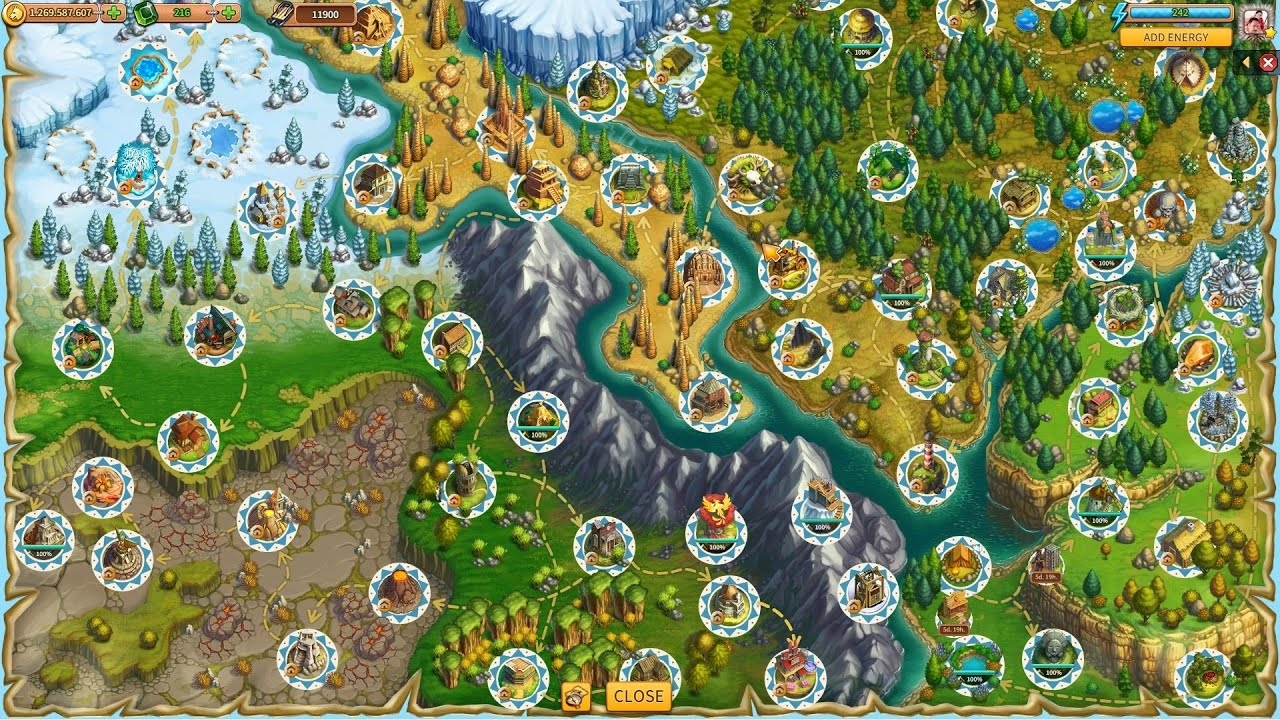
Step 3: Explore With a Plan

Common Early Mistakes (And Quick Fixes)
Most mistakes come from doing the right thing at the wrong time. Here are the most frequent:
- Clearing everything in sight instead of only what supports a quest or unlock
- Ignoring tasks and getting distracted too early
- Spending energy on random taps instead of a clear goal
- Using food the moment you get it instead of saving it for bigger pushes
- Letting the bar stay full and wasting free refill time
- Leaving your storage so messy you start losing track of materials you need
- Starting later recipes before an earlier production step is ready
- Letting crops, cooking, or crafting timers go for too long
- Entering expedition areas without a specific target
- Chasing everything you can see on the map just because it’s there
The fixes are simple. Stay focused on the next useful task, keep your storage organized, save food for the right moment, and go into each trip with a single target. Those habits will save time and stop the early game from getting out of hand.
A 10-Minute Daily Routine
Next, it’s queue production. Replant crops, restart recipes, and move a few items further down the chain. Open your storage while you’re working on this so important materials stay visible and extra clutter doesn’t pile up.
After that, spend enough energy to stay below the cap. You don’t need a giant expedition every time. One useful action is enough. Clear one blocker, grab one bundle, or open one path you know you’ll be needing soon.
Before signing off, choose your next target and set one thing for later. That might be food, ingredients, or a timer that finishes while you’re away. This routine keeps the game from feeling scattered when you log back in.
A Few Useful Questions New Players Usually Ask
New players often wonder why the refill icons don’t all feel the same. That’s because the natural bar refill and stored energy snacks are doing different jobs. One is steady recovery. The other is reserve.
Another common question is where storage fits into everything. It matters because it touches almost every loop you run. If materials are easy to find, your choices get easier too. Players also ask what they should store. Keep materials tied to your current chain, ingredients linked to energy food, and items connected to near-term tasks. Be more selective with anything you don’t have an immediate need for.
A related question is when to explore. Usually, this makes sense when the trip supports a clear objective rather than simple curiosity. Curiosity is great on its own, but in this game it’s expensive.
If you’re ready to get started, head over to the Playhop page for Klondike: The Lost Expedition. Top Games is also a good place to browse for something new.
Final Thoughts


- Stick to your main tasks rather than getting distracted
- Keep your base working in the background
- Save bigger pushes for the right moment
If you can do that, Klondike: The Lost Expedition will feel much more manageable. Keep your base moving and stay focused on your next step.
Tags