
 Top games
Bubble Shooter Scoring Guide: Winning Tactics, Combos, and Smart Shots
Players who win more usually spot the right shot earlier. They look for drops, weak supports, wall shots, and ways to keep the board from getting ugly. Once you start seeing those patterns, scoring gets easier, and wins come much faster.
How to play Bubble Shooter (the basics)


The core loop is simple. You fire a colored bubble into the field. Match three or more of the same color, and they pop. Keep clearing groups until the board opens up or disappears. Most versions also let you bounce shots off the side walls, which matters when there isn’t a direct path.
The main goal is simple: keep the board under control. Clear space before the stack drops too low and avoid matches that make the next move worse. Check the shape of the field before choosing the closest color match.
If you’re wondering how to play Bubble Shooter, start here: match colors, use angles, and avoid wasting shots. The real jump comes when you go beyond focusing on each individual move in a vacuum. Look for supports, hanging groups, and color clutter. That’s where wins usually begin.
Bubble Shooter rules you need to know


Most versions share the same foundation. These Bubble Shooter rules stay pretty consistent from one version to the next. Match three or more bubbles of the same color, and they pop. If a cluster breaks free of the top, it drops. Those falling groups often do more work than a basic clear because they remove space, colors, and pressure at the same time.
You also need to watch the flow of new shots. Many boards show the next bubble in line, and that preview matters more than people think. It helps you plan two moves ahead instead of reacting on instinct.
Some versions add a danger line or a slow downward push. Others punish wasted turns by dropping the stack lower. The losing condition is usually simple: let the board reach the bottom or run out of safe shots. Learn the common rules, and you can switch effortlessly between versions.
How scoring usually works in Bubble Shooter


Most players think you rack up a high score by popping a lot of bubbles. But that’s only half true. Bubble Shooter scoring usually rewards efficient clears. Small pops help, but bigger moves help more. That means dropped clusters, top clears, and moves that create follow-up damage tend to beat random three-bubble matches.
Think of your score as a measure of how efficient you are. A shot that removes one cluster is fine. A shot that pops a cluster, triggers bubble drops, or opens the next lane is much better. That’s how you get things moving in your direction.
This is why a good scoring guide focuses less on raw popping and more on board value. Look for moves that create a chain reaction, reduce colors, and leave you with fewer wasted shots. That’s also the mindset behind searches like bubble cash strategy. Players want points, but points usually follow smart structure.
Bubble Shooter tips and tricks (winning tactics that always work)


When your board starts getting messy, take a beat. Check what’s holding up the biggest cluster, where the next color can land, and whether a wall angle would offer a clearer path.
These Bubble Shooter tips and tricks work best when you use them before the board starts to feel desperate.
1) Play for drops, not pops
Clean little matches can feel useful. And sometimes they are. But if the pop doesn’t change the board, it may be bait. The stronger play is often to target support bubbles and bring down a whole section.
This is the first mindset shift that improves Bubble Shooter scoring. A drop clears more space, removes more colors, and often resets the board in your favor. When you’re scanning a cluster, ask yourself a question: what’s holding this up? Cut that support, and the board will do the rest.
2) Use wall shots like a pro
Use the side walls as part of the shot. When the path is blocked, a wall bounce can reach spaces a straight shot never could. Think of it like a pool table. The angle matters, the rebound matters, and one clean bank can change the whole rack.
Good bank shots help you reach the ceiling, slip into tight gaps, or clip a weak support from the side. This is where angle control starts to matter more than speed. Slow down, read the line, and trust the wall when the center is clogged up.
3) Clean the top first
Top clears matter because they open space. When you get rid of bubbles near the ceiling, lower groups lose support more often. That gives you more chances for drops and makes the next few shots easier to read.
Clearing the ceiling also gives wall shots more room to work. A small gap near the top can help you get at a weak support, drop hanging clusters, or remove a color that keeps clogging the board. If the lower rows look confusing, look higher. The best shot may be hiding above the mess.
4) Manage colors (reduce the palette)
A crowded board with six colors is chaotic. A board with three colors is much easier to control. Strong players use color management to make future turns easier. If one color only has a few bubbles, try to pop them first.
This is one of the best long-term win tactics. Once you get rid of a color, your subsequent bubbles are more likely to be useful. That lowers risk and gives you more control. And that’s not to mention a better shot at a high score, because fewer turns get wasted on awkward predicaments.
5) Avoid “dead shots”
Dead shots are moves that look helpful for a second only to leave the board almost unchanged. While they may pop three bubbles, the lane stays closed, the problematic color stays right there, and nothing drops. You spent a shot without really impacting the board.
Use a simple filter before you fire. Does the move you have in mind create a drop, get you out of a jam, or set you up for a better next move? If the answer is no, it may be a dead shot. Avoiding them is a huge part of smart Bubble Shooter scoring. Small clears are fine when they solve a problem. It’s when they only look productive that the problem arises.
6) Get out of jams with a reset move
Sometimes the board gets ugly. Lanes close. Colors pile up. The options for your next shot start looking like different versions of bad. A reset shot can help when a direct attack would only add more clutter.
Use it to open space, flatten a messy edge, or open lanes for the next turn. It can also place a color where it’s a better target for the next bubble. Think of it as clearing the table before the real shot. One calm fix now can unlock two strong moves down the road.
Mid-game strategy: when the board gets messy


Early boards often reward aggression. Mid-game play demands more control. The field is uneven, colors are scattered, and easy drops are harder to come by. This is where panic can set in. One rushed bubble blocks a lane, and then the next shot has nowhere to go.
Slow the round down before that happens. If a giant collapse is no longer realistic, look for the move that keeps the board playable. A safe shot can open a lane, protect space near the bottom, or work toward a better wall angle. Keep one side of the board usable when you can. That gives you room to recover if the next color is awkward.
This is also where people searching for Bubble Buzz tips or how to play Bubble Buzz usually get stuck. Whatever the version, the board logic is about the same. When the stack gets low, survival matters more than style. Play safe, clean things up, and get back on the attack.
Endgame: how to finish off the board quickly
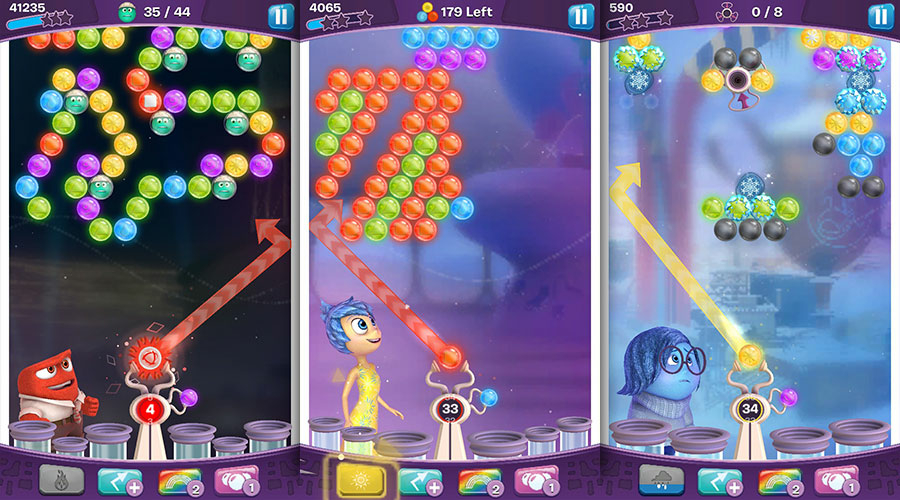

The endgame is where good rounds turn into wins. Players often throw by chasing a cute shot instead of opting for the correct one. Don’t get greedy when the board is already almost there.
Start by checking for weak supports. One clean hit can drop the last big section. And if that’s not available, get rid of a color. Fewer colors means cleaner shots and better odds of putting the game away. You should also avoid small side pops that leave ugly leftovers. Endgame cleanup should simplify the board with each shot.
This is where combo value matters most. A late drop can trigger a fast collapse, and that’s often the difference between a normal win and a high score. Stay calm, clear the supports, and let the board disintegrate on its own.
Common mistakes (and fast fixes)
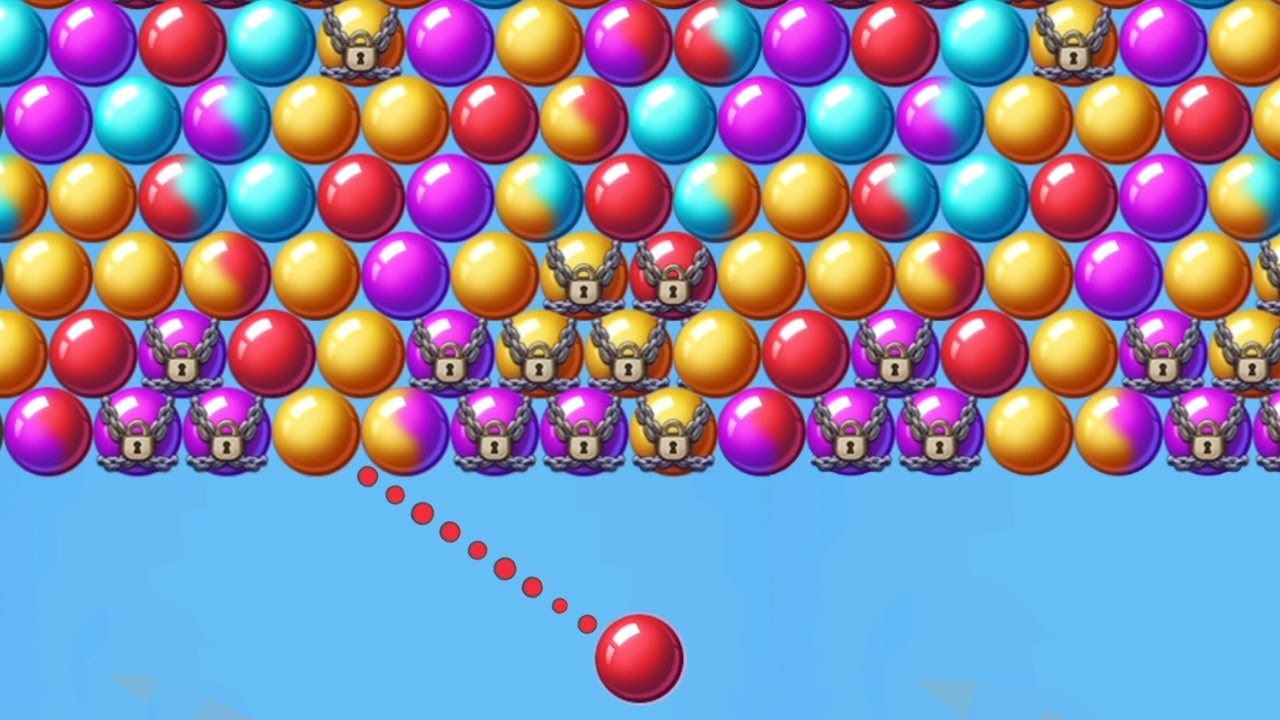

Here are some mistakes that show up all the time:
- Chasing tiny matches when a bigger drop is one move away
- Ignoring the next-bubble preview
- Refusing to use walls (what did the side wall ever do to you?)
- Hitting the first match you see instead of looking for supports
- Letting rare colors sit on the board for too long
- Taking panic shots near the bottom
- Forcing a miracle shot through a blocked lane
- Never making a reset move
- Breaking a shape instead of improving it
- Playing too quickly when the board clearly demands some thought
Most of these mistakes come from the same place: the shot looks great for a second only to end up complicating the board. A tiny match blocks a lane. A rushed wall shot buries a color you’ll need later. Near the bottom, a panic clear calms the stack for a moment while the top stays full of weak supports.
So what’s the fix? Pause for one extra second. Check supports, the preview, and your angles. Ask what the move you’re about to make changes. If it opens a drop, cleans up a color, or gives the next bubble a better target, take it. If it just pops a few bubbles, keep looking. That habit protects combos, prevents awkward hanging clusters, and keeps later moves from getting worse.
Mini checklist: a 60-second win plan


Need something quick before a round? Use this little plan:
- Scan for weak supports
- Check the preview bubble
- Look for a drop before a pop
- Use the wall if direct lanes are blocked
- Remove rare colors when possible
- Keep one safe side open
- Don’t waste shots on dead clears
- If the board is messy, reset first
That little routine answers how to play Bubble Shooter better than any long speech. It also works as a pocket scoring guide because it keeps your choices clean, repeatable, and efficient.
Try these bubble shooter games on Playhop


Ready to practice on real boards? Start with the bubble shooters category to browse a broader mix of levels and styles. Try Bubble Shooter Origins if you want a classic format. Test your aim in Shoot Bubbles when you need clean, direct practice. Open Bubble Shooter 3D to get a different feel for spacing and angles.
Final thoughts
These tactics work best when you keep using them. Build the right habits, and the board will start to feel less random. Soon you’ll stop hoping for luck and start setting traps for the whole field. That’s when the fun really starts.
Tags