
 Top games
Best Horror Games to Play in 2026: Scariest Picks for PC, Console, and Mobile
Horror comes in many forms. Some games rely on jump scares. Others build tension so slowly that you don’t realize how uneasy you’ve become until it’s too late.
The best horror games in 2026 cover every style, from action-packed survival horror to slow-burning psychological thrillers. Whether you’re looking for a quick scare or something that’ll stick with you for days, this guide has a recommendation for you.
What Makes a Horror Game Actually Scary
Good horror games do a few things well. They build tension — the creeping feeling that something bad is coming before it actually arrives. They use sound cues deliberately: a distant creak, a heartbeat rising in the mix, silence that feels too intentional.


They also weaponize helplessness. The scariest video games don’t let you fight back easily. You hide. You run. You make noise at the worst possible moment.
Pacing matters too. A well-timed jump scare hits harder after twenty minutes of calm. And uncertainty — not knowing if there’s something behind the next door — keeps players holding their breath longer than any monster ever could.
Creepy atmosphere and liminal spaces do the heavy lifting in modern horror. Sometimes the scariest part isn’t the monster — it’s the place you’re walking through.
How to Choose a Horror Game in 2026
Here’s a quick filter before you commit:
Platform. PC rewards precision and mod support. Consoles offer comfortable controller support, and some horror games include couch co-op. Mobile fits short sessions. Browser games start in seconds with zero install.
Session length. Some horror experiences run 20+ hours. Others are 15-minute bites. Know your night.
Co-op vs solo. Playing with a friend cuts the fear in half — but doubles the screaming. Solo psychological horror games hit differently when no one’s watching with you.


Gore tolerance. Survival horror often goes graphic. Psychological horror typically keeps it subtle. You’ll find good horror games at both ends of the spectrum. The best horror video games aren’t all built the same. Some rely on graphic violence, while others create fear almost entirely through atmosphere.
Jump scares vs slow burn. If your heart can’t take loud bangs every five minutes, lean toward atmospheric slow-burn titles. If you’re chasing that spike of adrenaline, look for chase sequences and scripted scares.
Answer those five questions, and you’ll know which section of this guide to read first.
Best Horror Games to Play in 2026 (Overall Picks)
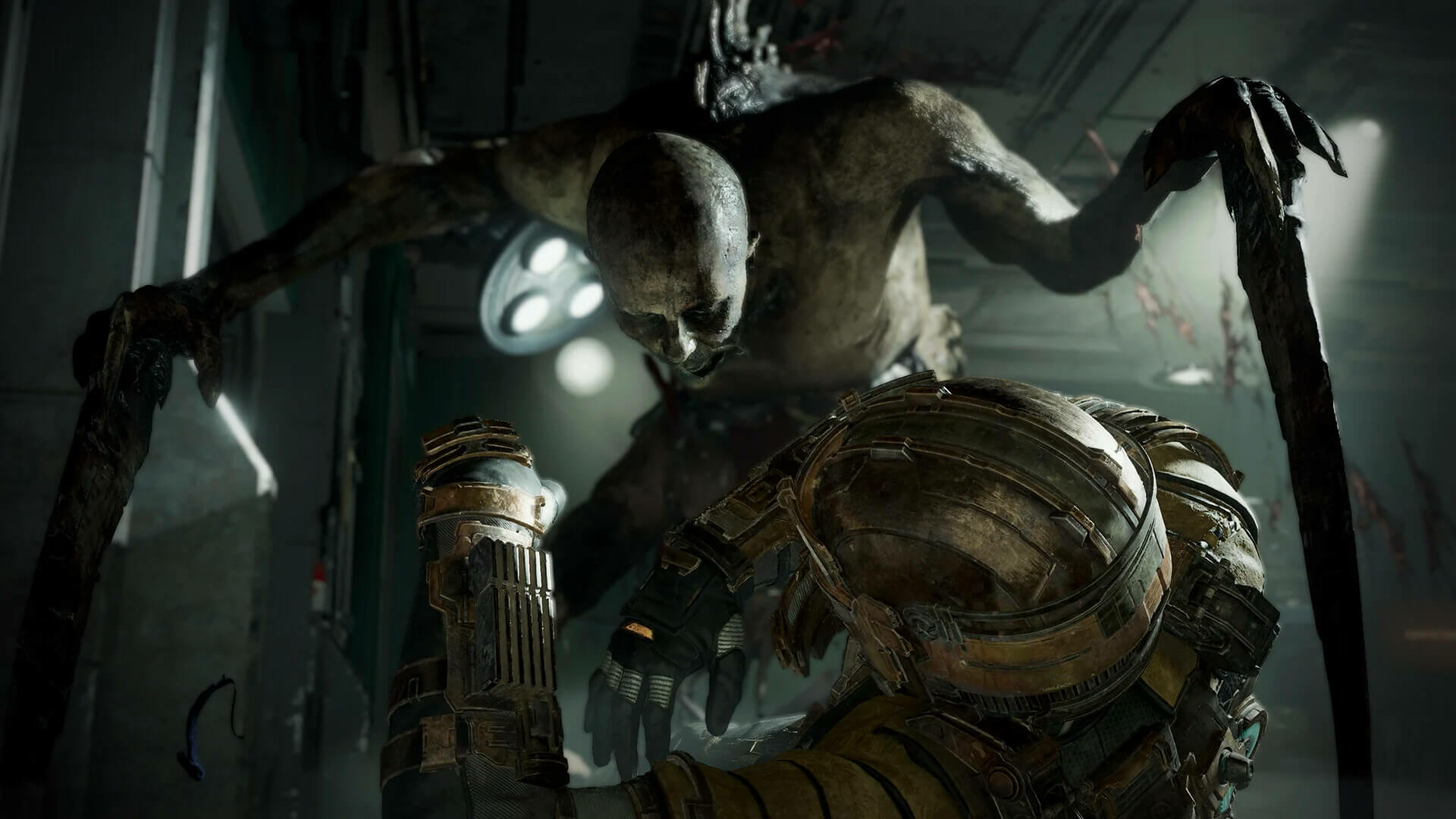

Popular horror games in 2026 span every style. Here are twelve picks that hold up right now, covering the full range.
Resident Evil 4 Remake — The gold standard of survival horror is still standing in 2026. Over-the-shoulder shooting meets resource management and brilliant pacing. Its combat, level design, and resource management still hold up remarkably well.
Amnesia: The Bunker — A confined space, a monster you can hear but rarely see, and inventory pressure that makes every bullet matter. Pure tension.
Silent Hill 2 Remake — A layered, deeply personal take on psychological horror. The town reflects what you’re afraid to face about yourself.
Alan Wake 2 — A found footage-flavored, meta-narrative thriller. Strange, cinematic, and genuinely unsettling in ways that are hard to put into words.
Dead Space Remake — Body horror, sound cues that’ll ruin headphones for you, and a relentless creepy atmosphere aboard a derelict spaceship.


Signalis — Pixel-art cosmic horror with survival mechanics. It combines classic survival horror with retro visuals and an unsettling sci-fi story.
Lethal Company — Co-op stealth horror with cosmic horror undertones and a very generous sense of humor about how badly things can go.
Five Nights at Freddy’s: Security Breach — Jump-scare central with a full explorable environment. Great for players who want urgency and spectacle.
The Quarry — A cinematic horror choice-fest. Great for groups. Your decisions determine who survives the night.
Phasmophobia — Ghost-hunting with friends. Uses tension-building and sound cues masterfully. Every investigation feels different.
Outlast Trials — Co-op stealth horror in a nightmare asylum. Probably not the best game to play before a job interview.
Little Nightmares II — Beautiful, silent, deeply weird. The creepy atmosphere carries more weight than any single scare.
Best Survival Horror Games


Survival horror is about resource strain as much as monsters. You manage what you carry. You choose your fights.
Resident Evil Village — Resident Evil Village mixes survival horror with action, memorable boss fights, and constant inventory management. It’s one of the most accessible entries in the series for new players. And yes, the merchant still has a great jacket. Wild premise, excellent execution. The inventory pressure and resource management are classic RE.
The Last of Us Part I — A refined version of one of the genre’s best stories. Every encounter costs something. The infected aren’t the only threat.
Alien: Isolation — One alien. A massive ship. No ammo to spare. The safe room mechanic and hiding mechanics are textbook survival horror.
Dead by Daylight — Asymmetric multiplayer where one player hunts and four escape. Chase sequences become personal.
The Forest / Sons of the Forest — Open-world survival horror with cannibals and body horror. Daytime gives you a chance to explore and gather supplies, but nights become much more dangerous.
Subnautica — Technically a survival game, but the deep ocean zones push into genuine cosmic horror. The deeper you go, the more unsettling the game becomes.
Dying Light 2 — Parkour meets undead hordes. The day/night cycle completely changes the way you play.
Best Psychological Horror Games


Psychological horror games don’t need to show you a monster. The fear lives in implication, memory, and distorted reality.
Silent Hill 2 Remake — Already mentioned above, but it belongs twice. The psychological horror here is built into the architecture of the town.
Hellblade: Senua’s Sacrifice — The game portrays mental illness with haunting accuracy. The binaural audio design makes this one of the scariest video games ever made on a technical level.
Observation — You play as an AI trying to understand what’s happening aboard an abandoned space station. The slow reveal is where the horror comes from.
Soma — Underwater sci-fi existentialism. The monsters are unsettling. The questions the game asks you are worse.
Layers of Fear (2023) — A painter’s spiral into obsession. Pure creepy atmosphere and liminal spaces rendered beautifully on modern hardware.
The Mortuary Assistant — You work a night shift preparing bodies. Demons may or may not be involved. The mundanity is part of the horror.
Visage — A slow, punishing psychological horror crawl through a house with a dark past. Takes the P.T. demo formula and runs with it.
Scariest Games of All Time (If You Want Maximum Fear)


This is subjective — but a few titles have earned “hall of fame” status for raw fear delivered.
P.T. — A playable teaser that was never finished, never released commercially, and still gets discussed years later. Any conversation about the scariest horror games usually starts with P.T.
Amnesia: The Dark Descent — It removed the ability to fight entirely. Hiding in the dark while something hunted you was a turning point for the genre.
Outlast — First-person found footage horror in an asylum with no weapons. Just a camera and the night-vision battery draining at the worst times.
FNAF (original) — Five nights. Limited power. Animatronics that inch closer if you lose track of them. The scariest games of all time lists always include this one.
Silent Hill 2 — The original. It remains one of the strongest examples of psychological horror. Scariest video games of all time lists cite it constantly for a reason.
Resident Evil 7 — First-person RE, back to its survival horror roots. The Baker family quickly became one of horror gaming’s most memorable villains.
These picks are about sustained, real fear — not just big budgets. Your own hall of fame may differ.
Best Horror Games on PC (What Works Best on PC)


Horror games PC setups have a real edge. Headphones and a dark room do things a TV speaker can’t replicate. Precision mouse control makes inventory management and aiming feel deliberate. And mods — the PC modding community regularly restores, rebalances, or extends classic horror titles years after launch.
The best horror games PC players reach for tend to lean into those strengths.
Amnesia: The Bunker — The flashlight flicker and first-person perspective land hardest on a high-res monitor with headphones. This is the game horror games PC players should try first.
Alien: Isolation — Mouse-look precision changes how terrifying the Alien’s AI feels. Console players manage; mouse controls make every close encounter feel even more intense.
Phasmophobia — Built for PC. VR-compatible. Sound cues via headphones make the ghost-hunting investigation feel tactile.
Dread Templar / Dusk / Faith — Indie retro-horror that mod communities have kept alive. Not AAA, but deeply scary video games in their own registers.
Hunt: Showdown — Competitive extraction with tension-building baked into every match. The audio design is extraordinary on a good headset.
Little Nightmares II — The PC version with unlocked frame rate looks exceptional. The creepy atmosphere benefits from high-resolution assets.
The best pc horror games aren’t always the biggest. Audio design and FOV control make PC the best platform for immersion — and immersion is what makes horror actually work.
How to Discover New Horror Games in 2026


Rather than name specific releases (details change fast), here’s how to find the new horror games worth your time right now.
Watch the showcases. Summer Game Fest, The Game Awards, and indie events like PAX consistently surface horror announcements months before launch. Demos at these events are the fastest way to test a game before committing.
Search the tags. On Steam, the “horror,” “psychological horror,” and “indie horror” tags are updated constantly. Sort by “New and Trending” — not “Top Rated,” which surfaces the same classics.
Follow the developers, not the press cycles. Small studios making modern horror often announced directly on social media. That’s where you’ll catch a wishlist-worthy game before a trailer even exists.
Know what to look for in a reveal: a distinct visual identity, audio work that sounds intentional, and a mechanic the developer explains clearly. Vague “immersive horror experience” language is a yellow flag. Specifics — “you can’t fight, you can only hide using furniture and sound” — are a green one.
Playhop Horror Picks (Quick Scares You Can Start Now)
Browser horror is the fastest entry point to the genre. No install, no storefront friction, no loading screen. You click, the game starts, and five minutes later you’re quietly regretting your curiosity.
Playhop’s horror games collection covers everything from tense escape puzzles to full Granny-style stealth nightmares. If you’ve never played horror games before, starting here costs you nothing. If you’re a genre veteran, these are a good choice between bigger releases.
The scary games tag on Playhop is a fast way to sort by vibe rather than subgenre. Worth bookmarking.
Here are the picks.
Playhop Picks: Escape and Puzzle Horror
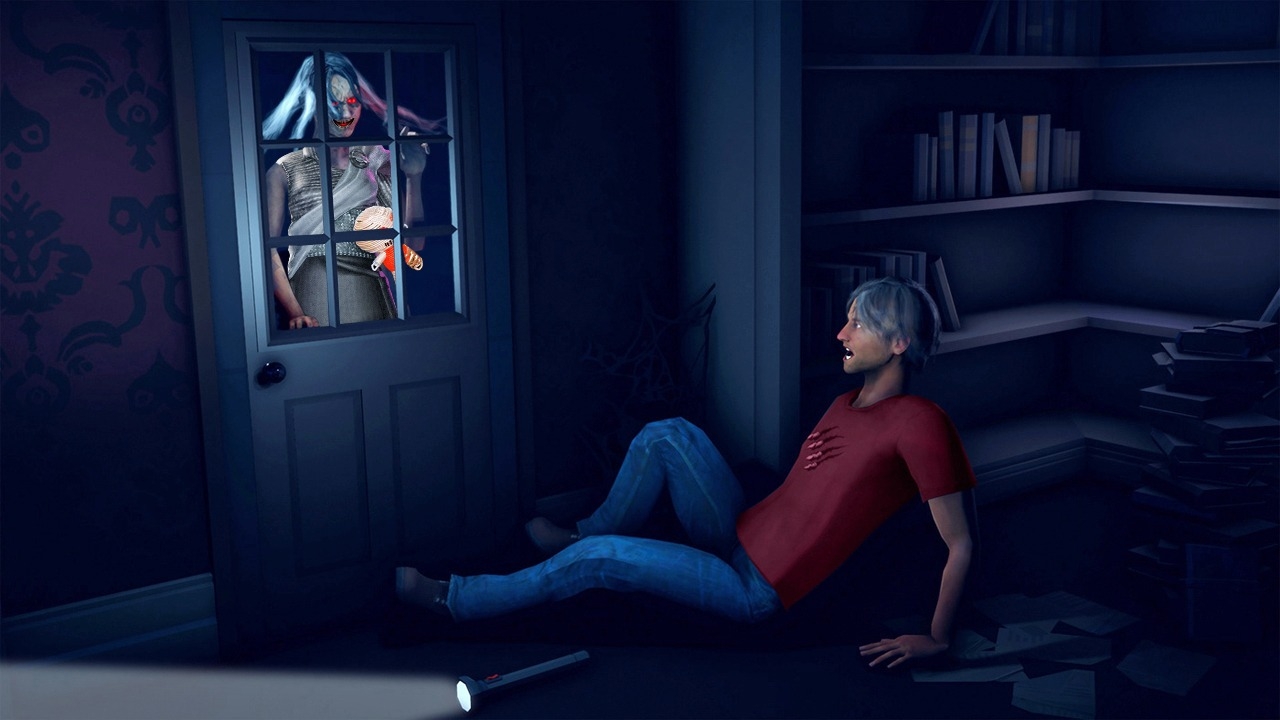

Horror House Escape is a classic escape room in a haunted house setting. You search for hidden items, solve environmental puzzles, and work through locked doors. The pacing is deliberate — it builds dread through implication before anything jumps. A good fit for players who like thinking under pressure without extreme gore.
Dr. Morven — House of Horrors drops you into Doctor Morven’s facility locked in a cage. The premise is economy-horror at its best: you don’t need much setup to understand that getting out is urgent. Puzzles and environmental storytelling carry the escape loop. Good for fans of villain-centric setups.
Doors pulls from the popular Doors universe with a clicker-style horror format. You unlock monsters, discover items, and try not to get rattled. It’s lighter mechanically but earns its spot on the jump scare tag list for good reason.
Playhop Picks: Classic “Granny-Style” Stealth Horror


Granny — Horror gives you five nights to escape an old mansion patrolled by Granny (bat) and Grandpa Freddy (hammer). The stealth horror loop is tight: find tools, solve the escape path, make zero noise. Two tips if you play it: move slowly near Granny’s patrol routes, and plan your item-collection order before you start. Grabbing the wrong thing first wastes a night.
Iron Friend is a first-person horror game where you’re a staff member trapped in a sinister environment. You navigate puzzles and avoid lurking threats while uncovering what went wrong. The tone is closer to psychological horror than pure chase — the dread builds from context, not just the thing hunting you.
Playhop Picks: Weird and Funny Horror


Labubu Horror puts Labubu — the lovable collectible toy character — in a school escape scenario with survival stakes. It’s scary, but the juxtaposition of the cute aesthetic against the horror setting is surprisingly funny. Perfect for players who want the genre experience without pure nightmare fuel.
Imposter 3D online horror blends Among Us-style social horror with a 3D browser format. You protect astronauts from the Imposter — playable solo or with friends online. The “funny-but-scary” tone lands well in multiplayer: half the session is spent laughing, the other half is genuinely tense. It’s the horror equivalent of a haunted house where someone in your group keeps making the ghost break character.
Final Thoughts
For survival horror, start with Resident Evil Village or Alien: Isolation — they define the genre for a reason.
For psychological horror games, go with Silent Hill 2 Remake or Hellblade. Both will stay with you.
For a quick scare with zero friction, head straight to Playhop’s horror category. Horror doesn’t have to mean massive downloads or 30-hour campaigns. Sometimes the best scares come from a game you can launch in your browser in seconds. Pick any game, hit play, and find out if you’re braver than you think. The best scary games don’t always need a disc or a download.
Tags


Recent Posts


